
The Ultimate Guide to Residential Waterproofing in Nova Scotia
Understanding Residential Waterproofing
Waterproofing your home in Nova Scotia is crucial to protecting it from the region's wet and humid climate. Water intrusion can lead to structural damage, mold growth, and a host of other problems. This guide will walk you through everything you need to know about residential waterproofing.
Why Waterproofing is Essential
The Atlantic climate in Nova Scotia brings frequent rain and snow, making waterproofing a necessity for homeowners. Protecting your home from water damage not only preserves its structural integrity but also maintains its value. Ignoring waterproofing can lead to costly repairs down the line.
Types of Waterproofing Solutions
There are several methods to waterproof your home, each suited to different needs and budgets. Understanding these options can help you choose the right solution.
Exterior Waterproofing
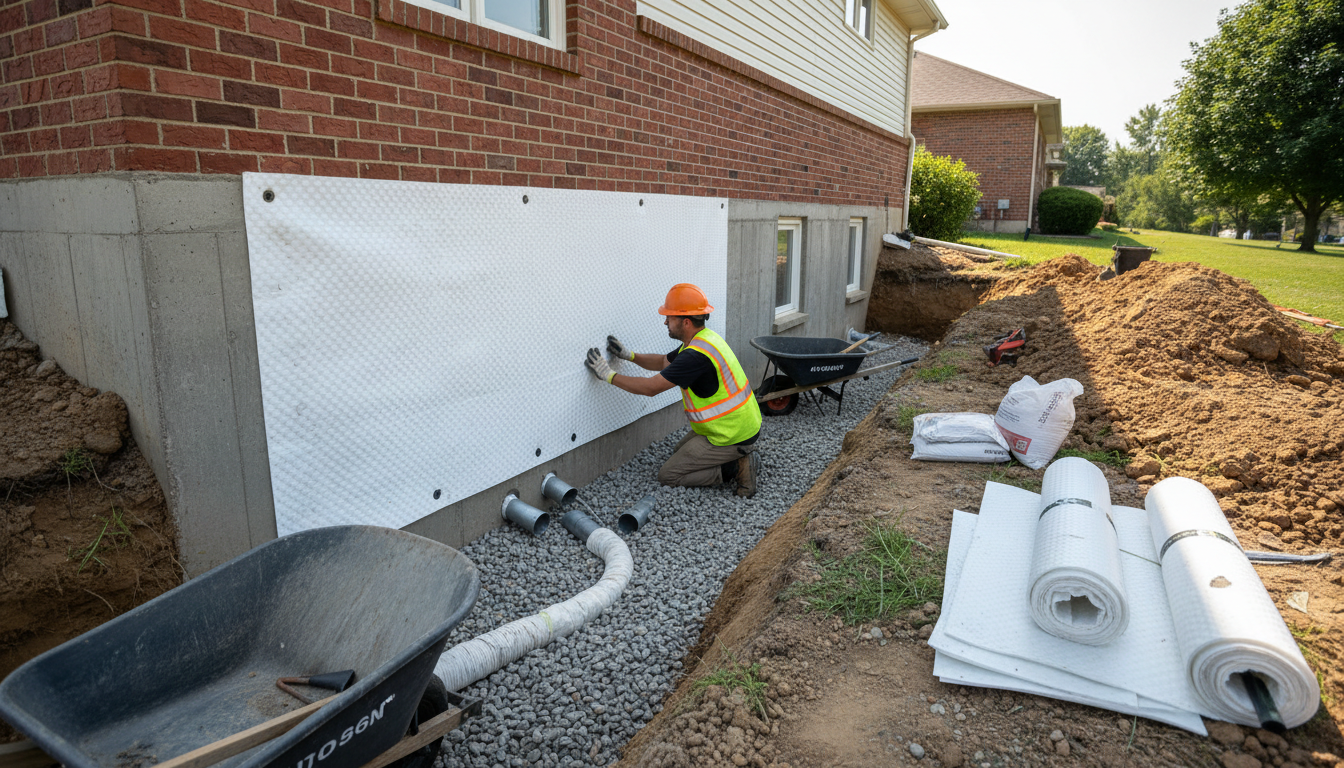
Exterior waterproofing involves sealing the outer walls of your home to prevent water from entering. This method is highly effective as it stops water before it can penetrate the building. Solutions include applying waterproof coatings or installing drainage systems to direct water away from the foundation.
Interior Waterproofing
Interior waterproofing is often used as a secondary line of defense. It involves techniques like installing sump pumps and interior drainage systems. These methods work by controlling and redirecting water that has already entered the building to prevent it from causing damage.
Choosing the Right Materials
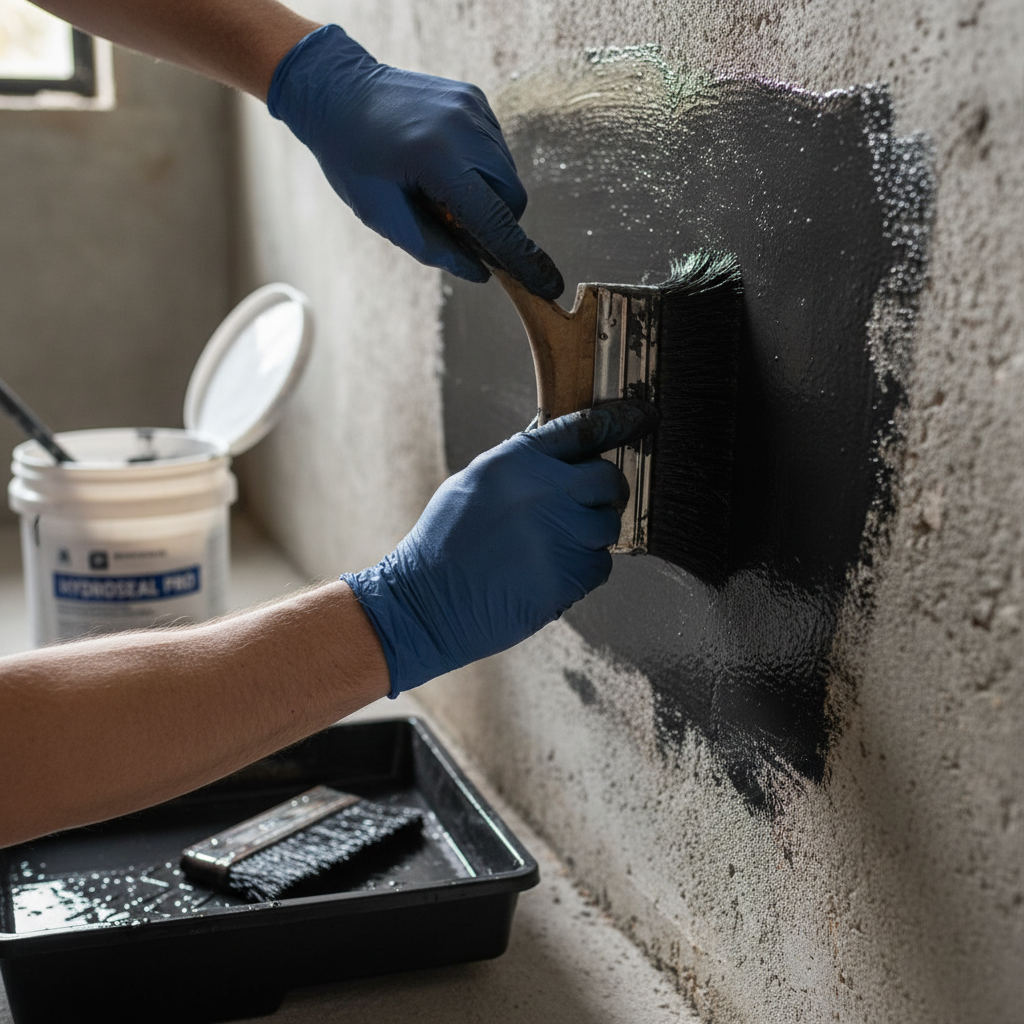
Selecting the proper materials is critical for effective waterproofing. Common materials include waterproof membranes, sealants, and specialized paints. Each material has its own advantages and is designed for specific applications.
Working with Professionals
While DIY methods can be tempting, hiring a professional ensures that the job is done correctly. Professionals have the expertise to assess your home's specific needs and apply the most effective solutions. This can save you time and money in the long run.
Maintaining Waterproofing Systems
Once your home is waterproofed, regular maintenance is essential to ensure the system continues to perform effectively. This includes checking for cracks, inspecting drainage systems, and ensuring sump pumps are functioning properly.
Signs of Water Damage
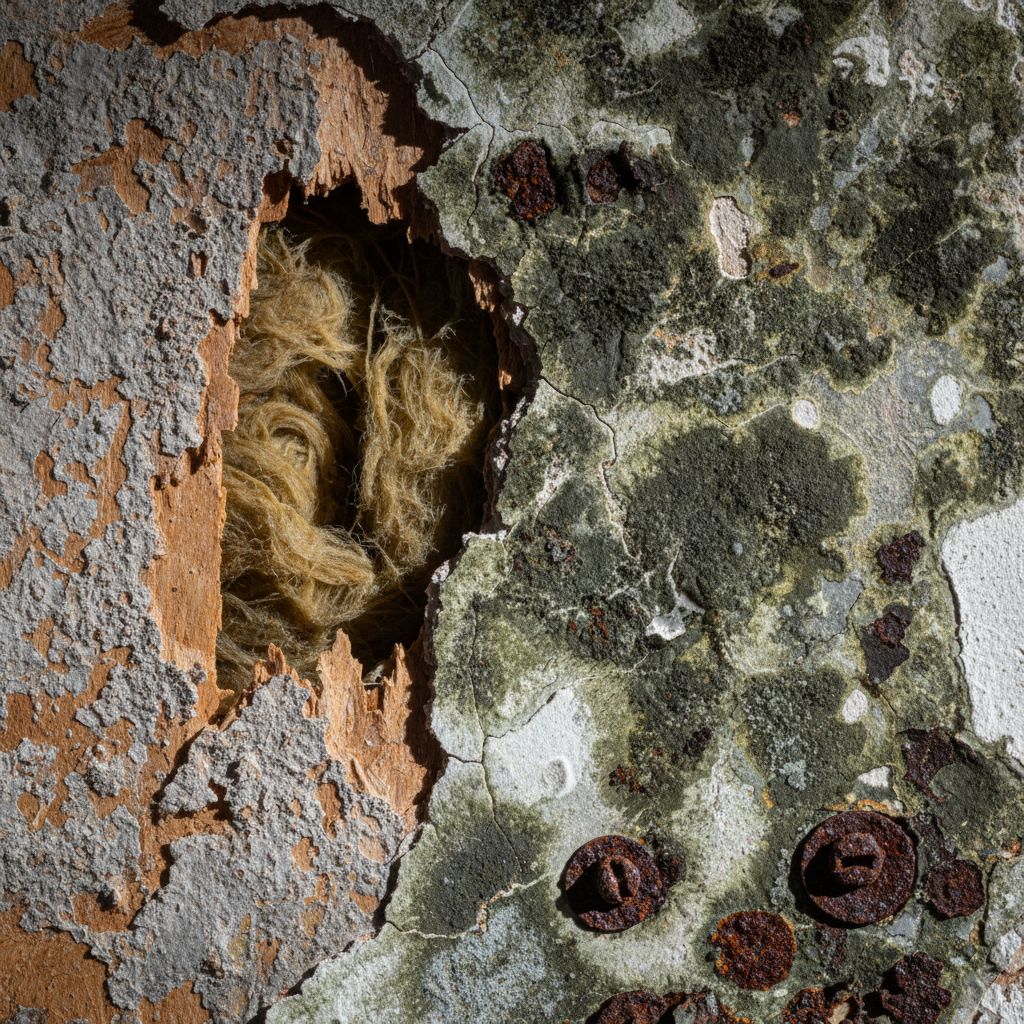
Being aware of the signs of water damage can help you address issues before they escalate. Look for symptoms such as damp walls, peeling paint, and musty odors. Early detection can prevent more extensive damage and costly repairs.
Conclusion
Residential waterproofing in Nova Scotia is a vital step in protecting your home from the elements. By understanding the different methods and materials available, and working with professionals, you can ensure your home remains safe and dry. Regular maintenance and early detection of potential issues will help preserve the integrity and value of your property.