
Flat Roof Waterproofing Techniques: Ensuring Durability in Nova Scotia’s Climate
Flat roofs are a popular choice for many buildings due to their modern aesthetic and efficient use of space. However, in regions like Nova Scotia, known for its challenging weather conditions, ensuring the durability of these roofs is crucial. Effective waterproofing techniques are essential to protect the structure from water damage and extend its lifespan.
Understanding the Importance of Waterproofing
Waterproofing a flat roof is more than just a preventive measure; it is a necessary step to safeguard the building's integrity. Nova Scotia’s climate, characterized by heavy rainfall, snow, and fluctuating temperatures, can lead to water accumulation and eventual roof damage if not properly managed. A well-executed waterproofing system prevents leaks and reduces maintenance costs.
Common Waterproofing Techniques
Several techniques are commonly used to waterproof flat roofs. Choosing the right one depends on the specific needs of the building and the local climate. Here are some popular options:
- Liquid Membrane: This involves applying a liquid coating that dries to form a seamless, rubber-like layer. It is flexible and can adapt to the roof's movements.
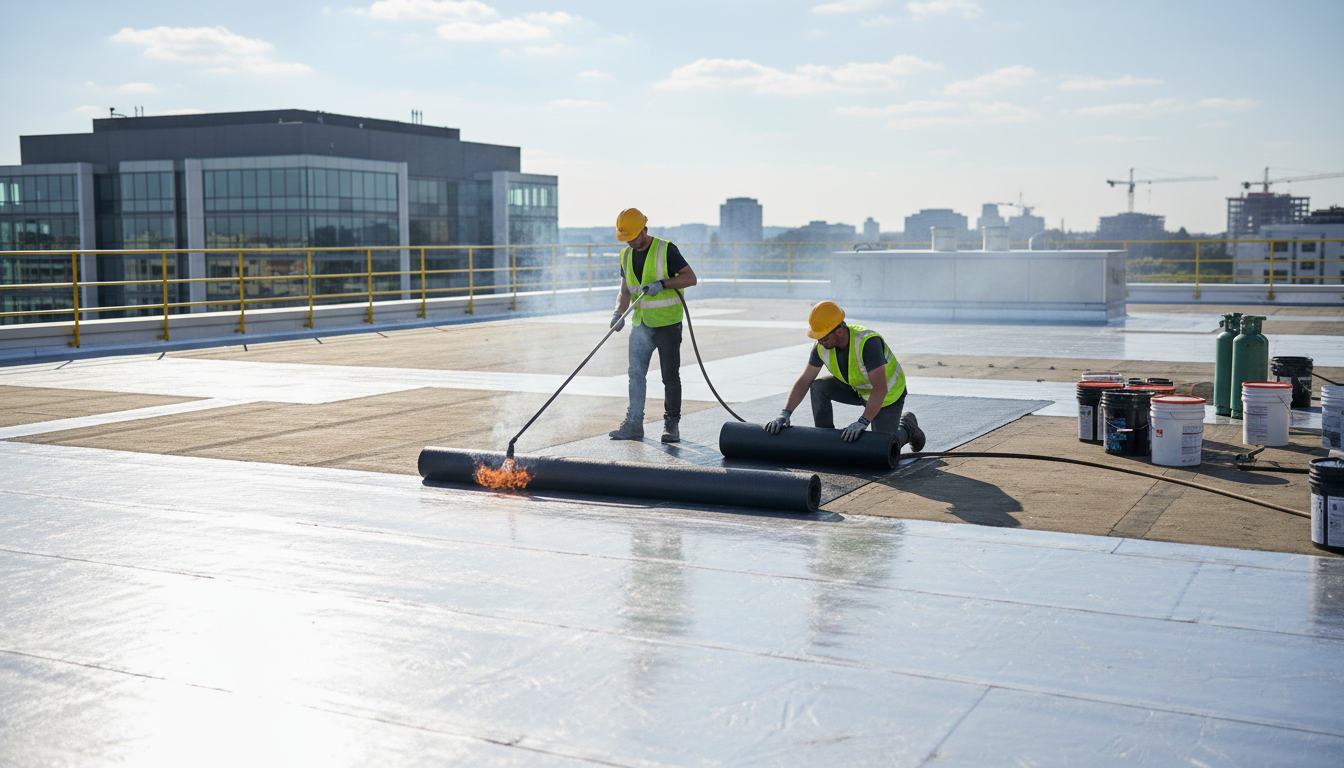
- Bitumen Roofing: Also known as asphalt roofing, this method uses layers of bitumen sheets that are heat-sealed to create a water-resistant barrier.
- EPDM Rubber: Ethylene Propylene Diene Monomer is a durable synthetic rubber membrane that offers excellent weather resistance.
Benefits of Professional Installation
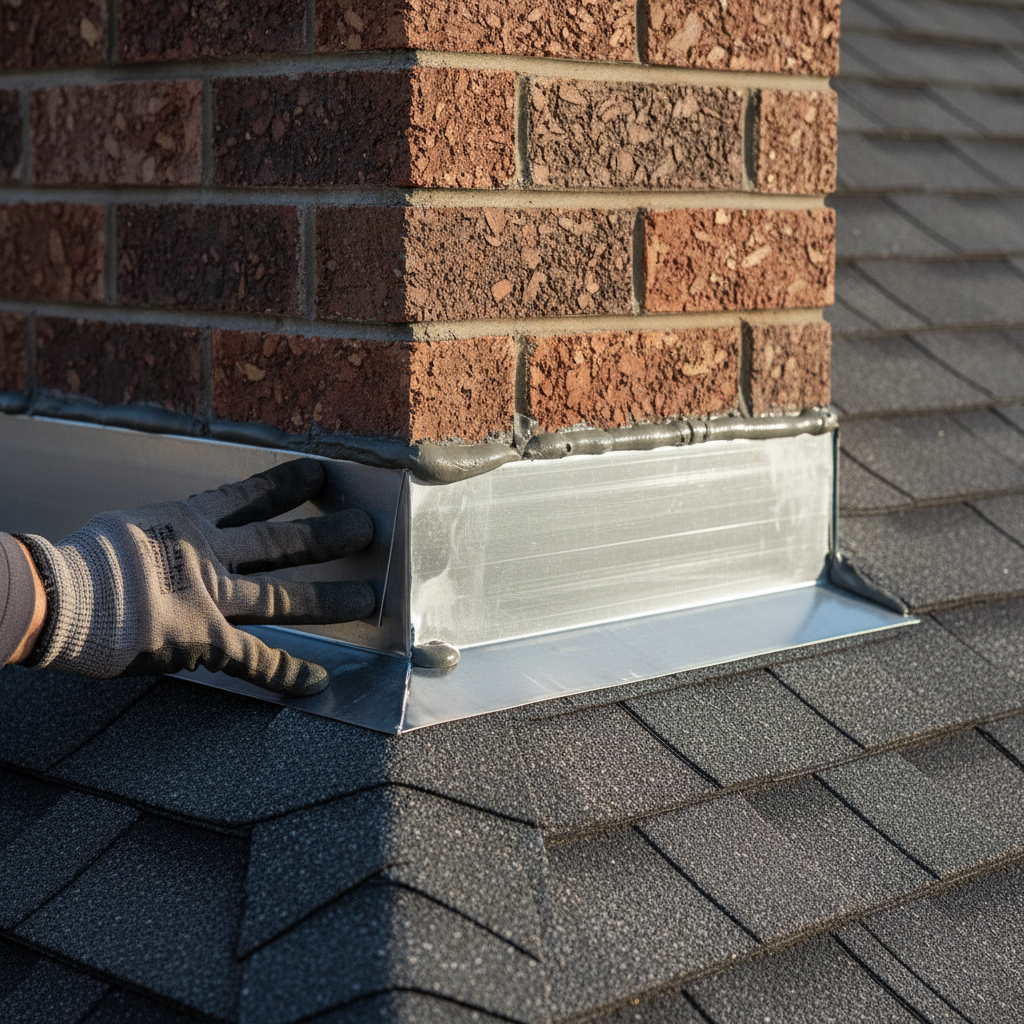
While DIY solutions might seem appealing, professional installation ensures that the waterproofing is done correctly and efficiently. Experts have the knowledge to choose the best materials and techniques suited to Nova Scotia’s weather conditions. Professional services also typically offer warranties, providing peace of mind for property owners.
Maintenance and Inspection Tips
Regular maintenance is key to prolonging the life of a flat roof. Here are some tips to keep in mind:
- Schedule Regular Inspections: Have your roof inspected at least twice a year, especially after harsh weather, to catch any potential issues early.
- Clear Debris: Ensure that leaves, branches, and other debris are regularly removed to prevent drainage blockages.
- Check for Ponding Water: Look for areas where water tends to accumulate and address them promptly to prevent damage.
Choosing the Right Materials
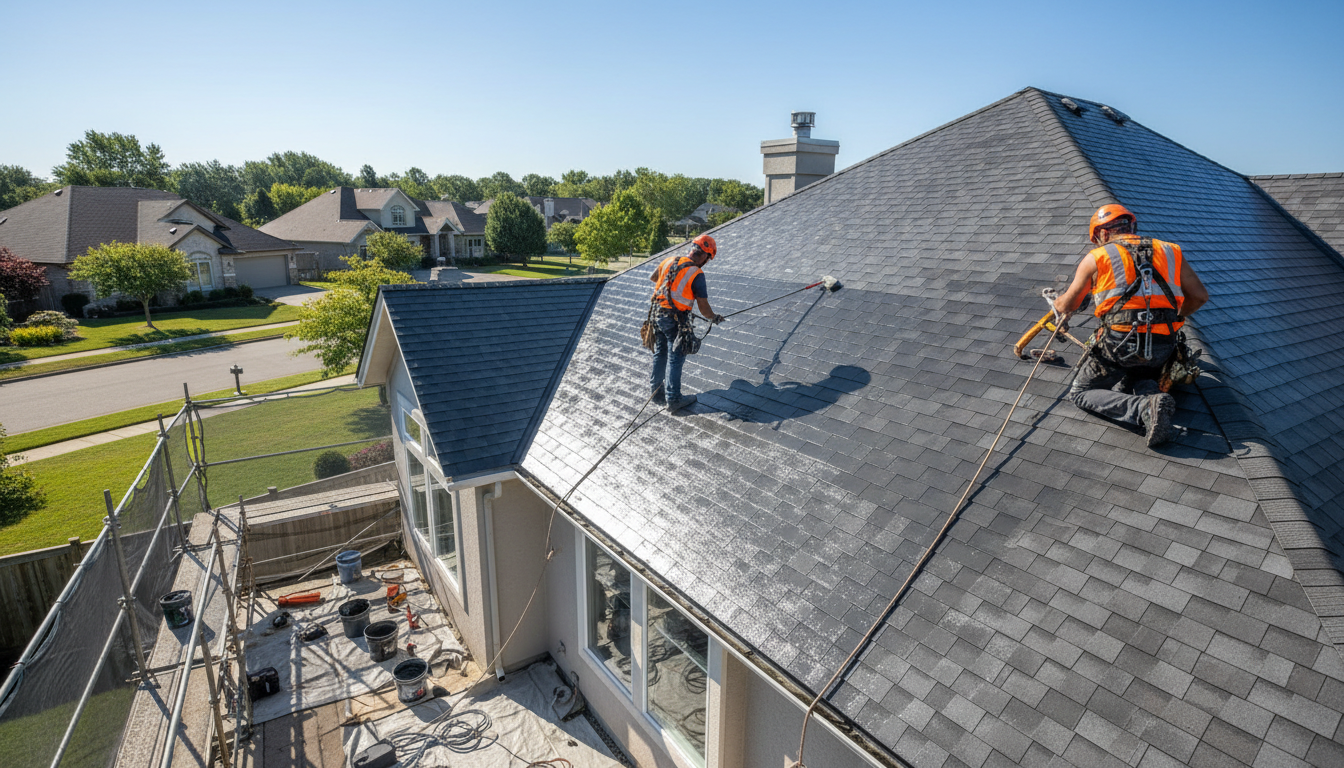
The choice of materials plays a significant role in the effectiveness of flat roof waterproofing. Consider materials that offer flexibility, UV resistance, and durability. In Nova Scotia, materials that can withstand freezing temperatures and heavy snow are particularly valuable.
Future-Proofing Your Roof
Investing in quality materials and professional installation not only addresses current weather challenges but also future-proofs the building against climate changes. It's a wise investment that can save significant costs in repairs and replacements down the line.
In conclusion, flat roof waterproofing is an essential aspect of building maintenance in Nova Scotia. By understanding the various techniques and prioritizing professional installation, property owners can ensure their roofs remain durable and effective against the elements.