
Expert Advice on Maintaining Foundations in Nova Scotia's Climate
Understanding Nova Scotia's Unique Climate
Nova Scotia's climate is characterized by a blend of maritime and continental influences, which can create unique challenges for maintaining home foundations. The province experiences high humidity, heavy rainfall, and freeze-thaw cycles, all contributing factors to foundation wear over time.
These environmental conditions can lead to issues such as soil expansion, water seepage, and structural stress. Homeowners must be proactive in addressing these potential problems to ensure their foundations remain stable and secure.
Common Foundation Issues in Nova Scotia
Soil and Water Interaction
The interaction between soil and water is a primary concern for foundation stability. In Nova Scotia, clay-rich soils expand and contract with moisture fluctuations, exerting pressure on foundation walls. This can lead to cracks and structural damage if not properly managed.
Additionally, heavy rainfall and inadequate drainage systems can exacerbate water accumulation around the foundation, increasing the risk of water infiltration into basements and crawl spaces.

Freeze-Thaw Cycles
Freeze-thaw cycles are another significant factor affecting foundation health. During winter, water in the soil freezes and expands, causing heaving and shifting. When the ice thaws, the soil contracts, potentially leaving voids under the foundation.
This constant movement can weaken the foundation over time, making it crucial for homeowners to monitor and address any signs of distress promptly.
Expert Tips for Foundation Maintenance
Ensure Proper Drainage
One of the most effective ways to protect your foundation is by ensuring proper drainage around your home. Installing gutters, downspouts, and French drains can help redirect water away from the foundation, reducing the risk of water-related damage.
- Regularly clean and maintain gutters to prevent clogs.
- Ensure downspouts extend at least five feet away from the foundation.
- Consider grading the landscape to slope away from the house.

Regular Inspections and Repairs
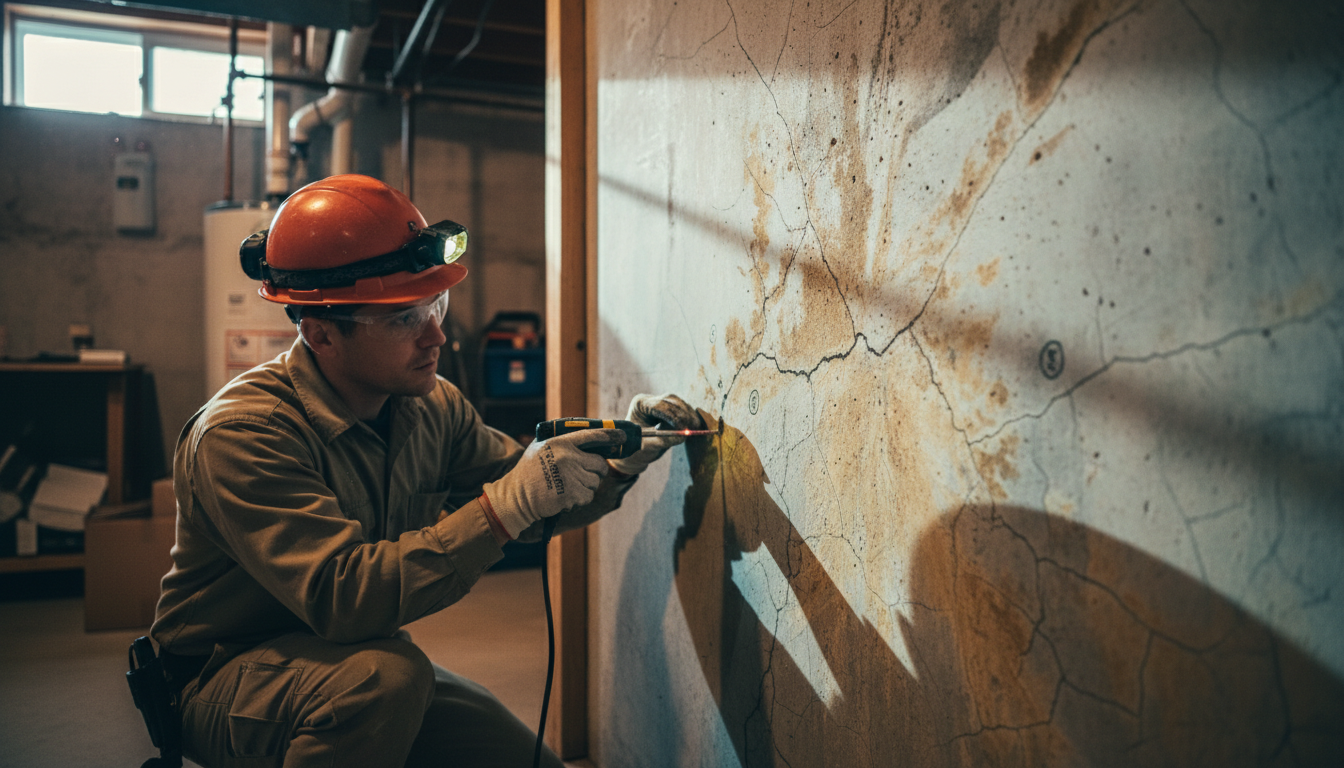
Conducting regular inspections of your foundation can help identify potential issues early. Look for signs of cracks, water stains, and mold growth in the basement or crawl space. Addressing these problems promptly can prevent more extensive damage in the future.
Engage a professional if necessary, as they can provide a thorough assessment and recommend appropriate solutions for any identified issues.
Adapting to Seasonal Changes
Seasonal changes require specific maintenance strategies to protect your foundation. During the winter, ensure that snow is cleared away from the foundation to prevent water pooling during thaws. In the summer, maintain consistent soil moisture levels to minimize expansion and contraction.
By adapting your maintenance routine to the seasons, you can better safeguard your home from the adverse effects of Nova Scotia's climate.

Conclusion
Maintaining a strong and stable foundation in Nova Scotia requires understanding and adapting to the local climate. By implementing proactive measures and seeking expert advice when needed, homeowners can effectively protect their properties from environmental stressors.
Regular maintenance and monitoring are key components of a successful foundation preservation strategy, ensuring the safety and longevity of your home for years to come.