Eco-Friendly Waterproofing Solutions for Sustainable Homes in Nova Scotia
Introduction to Eco-Friendly Waterproofing
In recent years, the demand for sustainable and eco-friendly home solutions has increased significantly. Homeowners in Nova Scotia are particularly interested in adopting green practices due to the region's unique climate and environmental concerns. One area gaining attention is eco-friendly waterproofing solutions, which offer protection against moisture while minimizing environmental impact.
Waterproofing is crucial for maintaining the integrity of a home. Traditional methods often involve harsh chemicals and non-renewable materials. However, eco-friendly options provide a sustainable alternative, ensuring homes are protected without harming the planet.
Benefits of Eco-Friendly Waterproofing
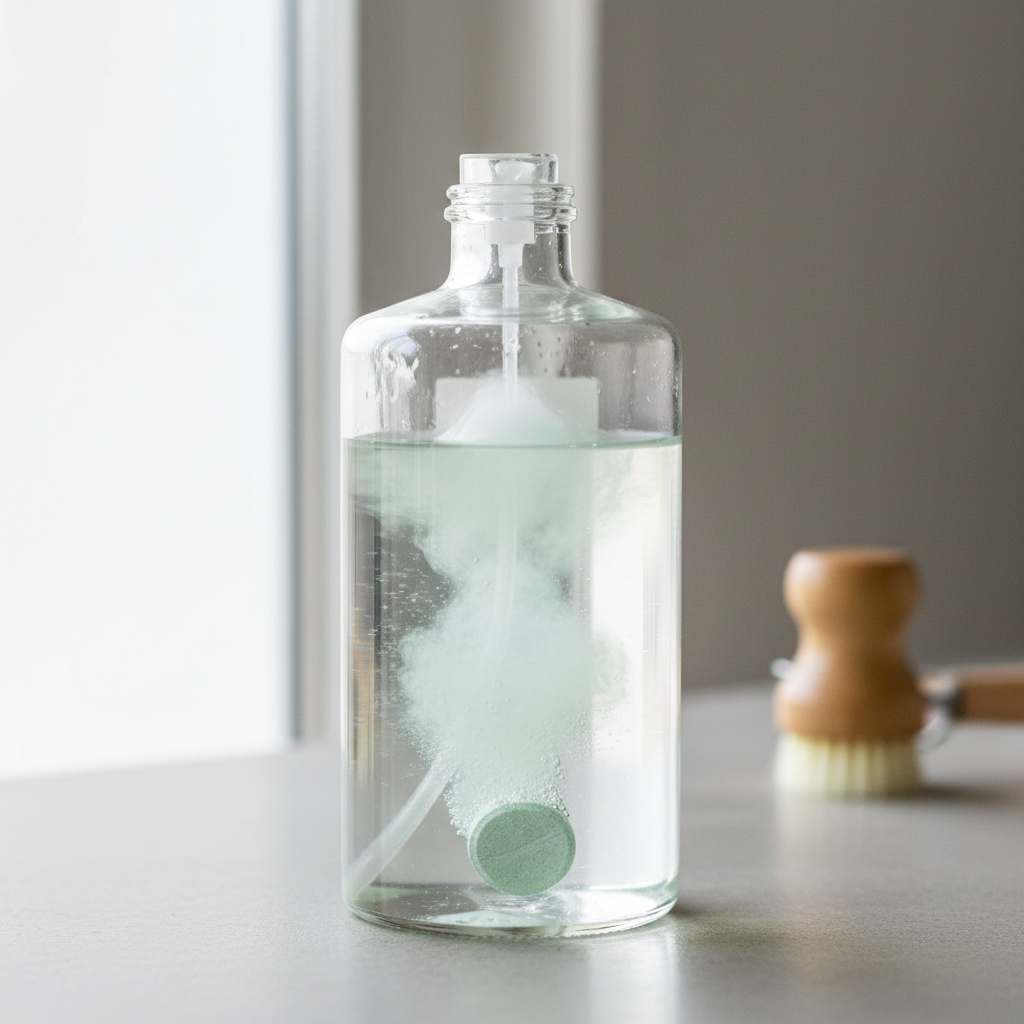
Eco-friendly waterproofing solutions offer numerous advantages over conventional methods. These benefits extend beyond environmental preservation to include health and financial incentives.
- Reduced Environmental Impact: By using renewable materials and processes, these solutions help reduce carbon footprints.
- Healthier Living Environment: Eco-friendly products often contain fewer toxins, promoting better indoor air quality.
- Long-Term Savings: While the initial investment might be higher, the durability and efficiency of eco-friendly products can lead to reduced maintenance costs over time.
Common Eco-Friendly Materials
Several materials are commonly used in eco-friendly waterproofing. They are chosen for their sustainability and efficiency in preventing water damage.
- Recycled Rubber: Often used for roofing and sealing, recycled rubber is durable and reduces waste.
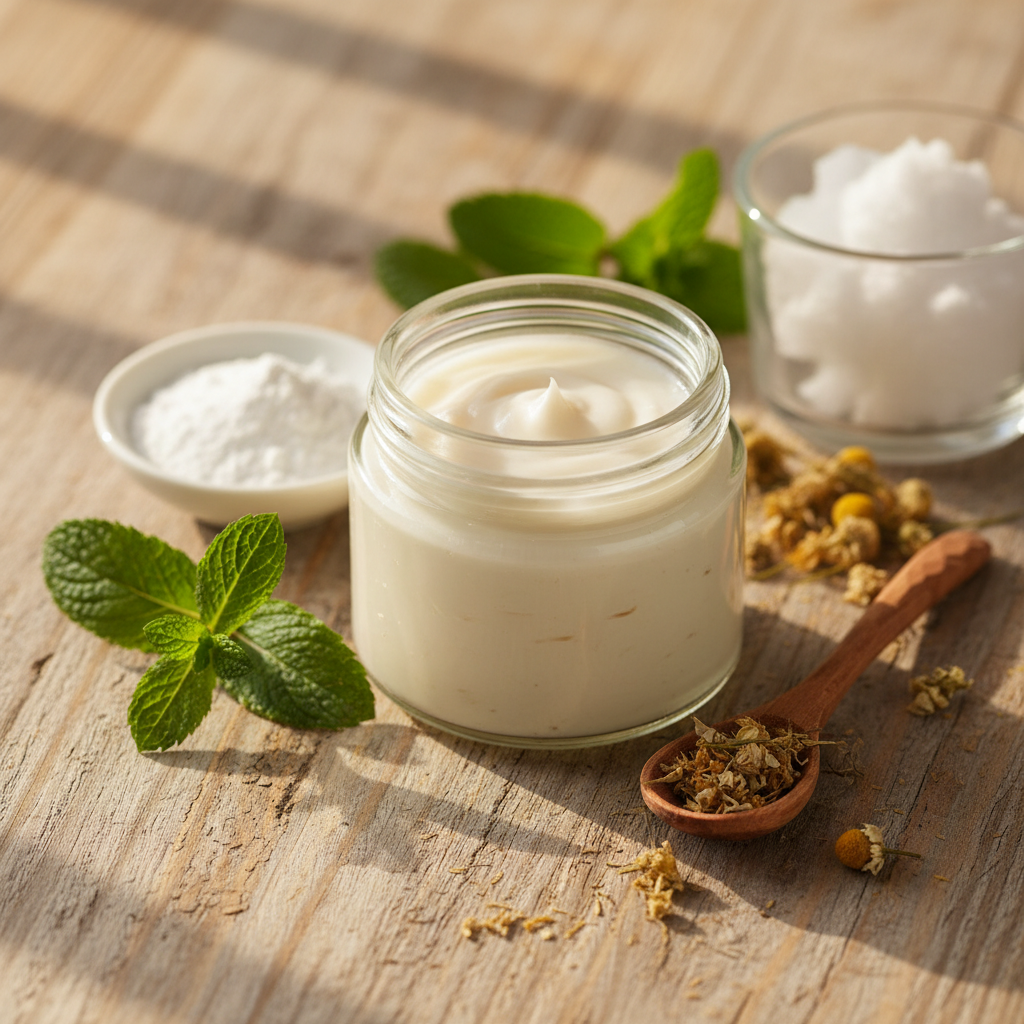
- Natural Sealants: Products like soy-based sealants offer effective moisture barriers without harmful chemicals.
- Bentonite Clay: This natural clay is an excellent option for creating impermeable barriers and is biodegradable.
Implementing Eco-Friendly Waterproofing
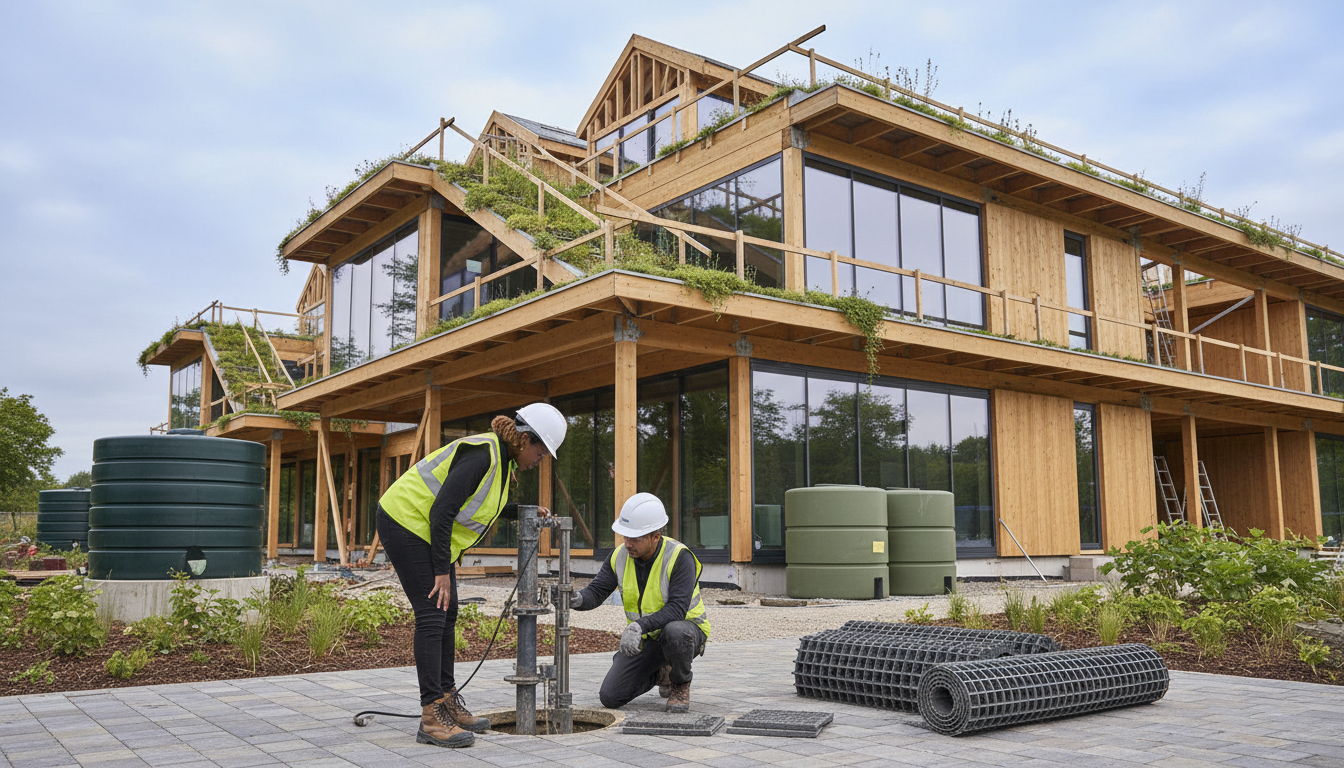
For homeowners in Nova Scotia looking to implement eco-friendly waterproofing, there are several steps to consider. These steps ensure a sustainable and effective application, tailored to the specific needs of each home.
First, it's essential to conduct a thorough assessment of the areas needing waterproofing. Common areas include basements, roofs, and exterior walls. Consulting with a professional experienced in eco-friendly methods can provide valuable insights and recommendations tailored to your home.
Choosing the Right Contractor
Choosing the right contractor is crucial for effective eco-friendly waterproofing. Look for professionals who specialize in sustainable practices and have a proven track record of successful projects in the area. Requesting references and reviewing past work can offer peace of mind and assurance of quality.
Conclusion
Embracing eco-friendly waterproofing solutions is a smart choice for homeowners in Nova Scotia. Not only do these methods protect your home from moisture damage, but they also contribute to a healthier planet. By understanding the benefits and properly implementing these solutions, you can enjoy a safe, sustainable, and efficient living environment.
As awareness and technology continue to grow, the future of eco-friendly home solutions looks promising, offering new opportunities for sustainable living and innovative practices.