
Case Study: Successful Roofing and Waterproofing Projects in Nova Scotia
Introduction
In the picturesque province of Nova Scotia, roofing and waterproofing projects are essential for homeowners and businesses due to the region's unique climate. This case study explores successful projects that showcase innovation and expertise in this field.
Understanding the Challenges
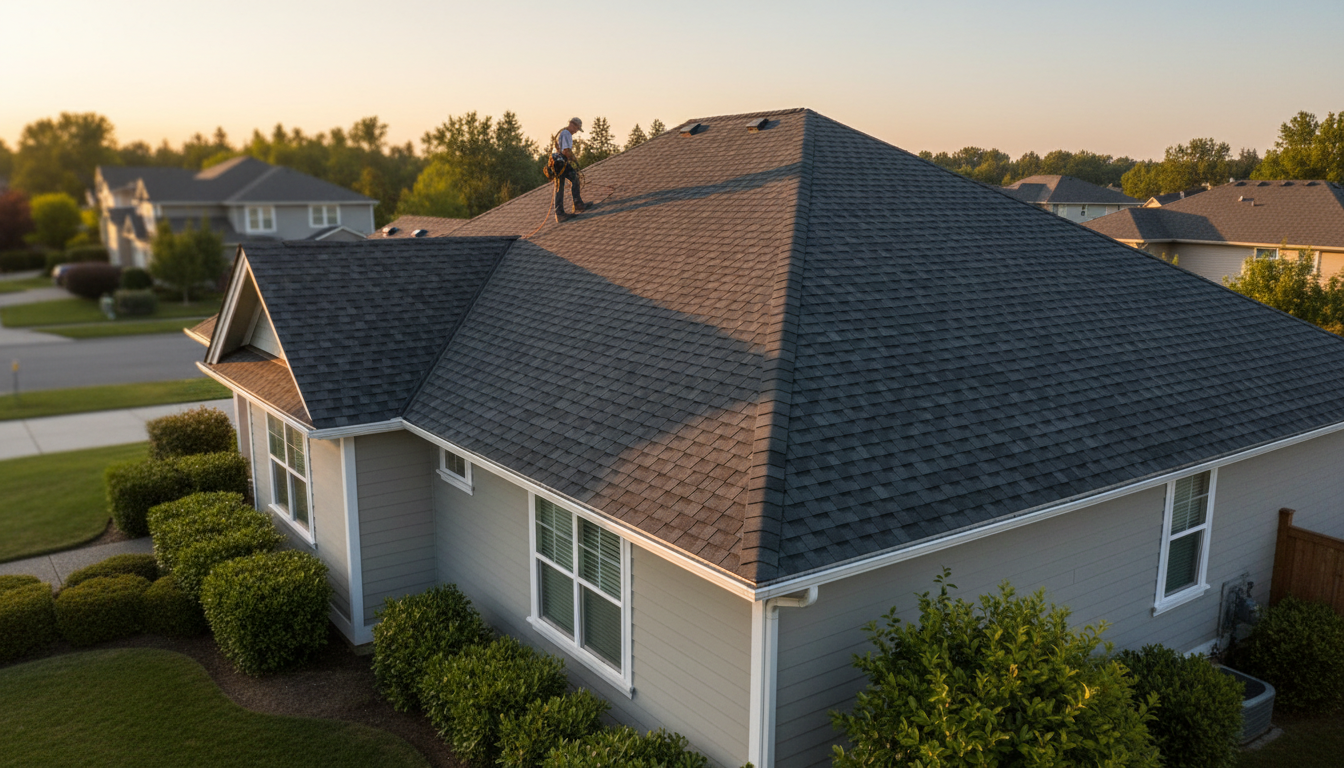
Nova Scotia experiences diverse weather conditions, including heavy rain, snow, and strong winds. These elements demand robust roofing and waterproofing solutions. Contractors need to consider various materials and techniques to ensure longevity and durability.
Common Roofing Issues
Some of the prevalent roofing issues in Nova Scotia include:
- Leaking roofs due to heavy rain.
- Snow accumulation causing structural stress.
- Wind damage leading to shingle displacement.
Innovative Solutions
Local companies have developed innovative strategies to tackle these challenges. By using high-quality materials and advanced techniques, they ensure that roofs withstand the harsh weather conditions.
Material Selection
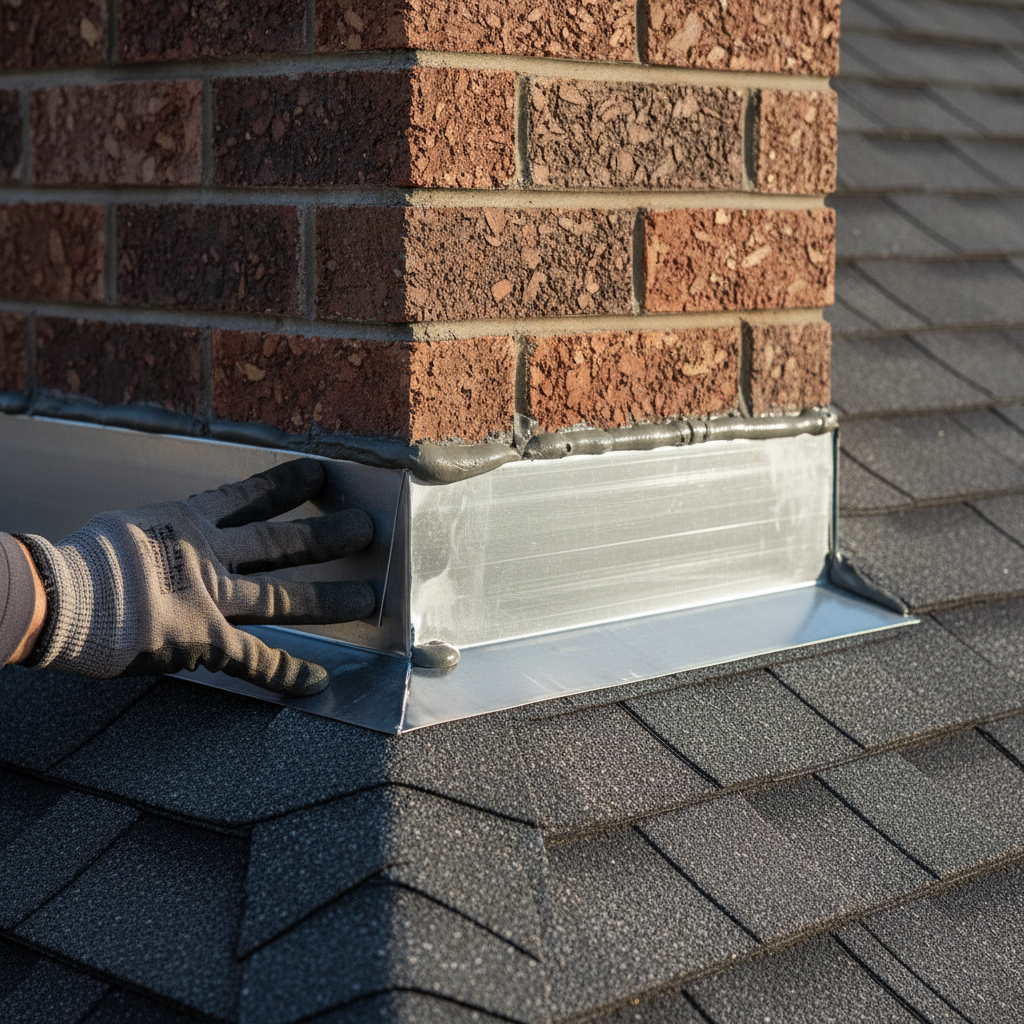
The choice of materials is crucial. Popular options include:
- Metal Roofing: Known for its durability and resistance to extreme weather.
- Asphalt Shingles: Cost-effective and versatile, suitable for various architectural styles.
- EPDM Rubber: Highly effective for waterproofing flat roofs.
Case Studies of Success
Several projects in Nova Scotia highlight successful roofing and waterproofing applications. These projects not only solved existing problems but also enhanced the aesthetic appeal of the buildings.
Residential Projects
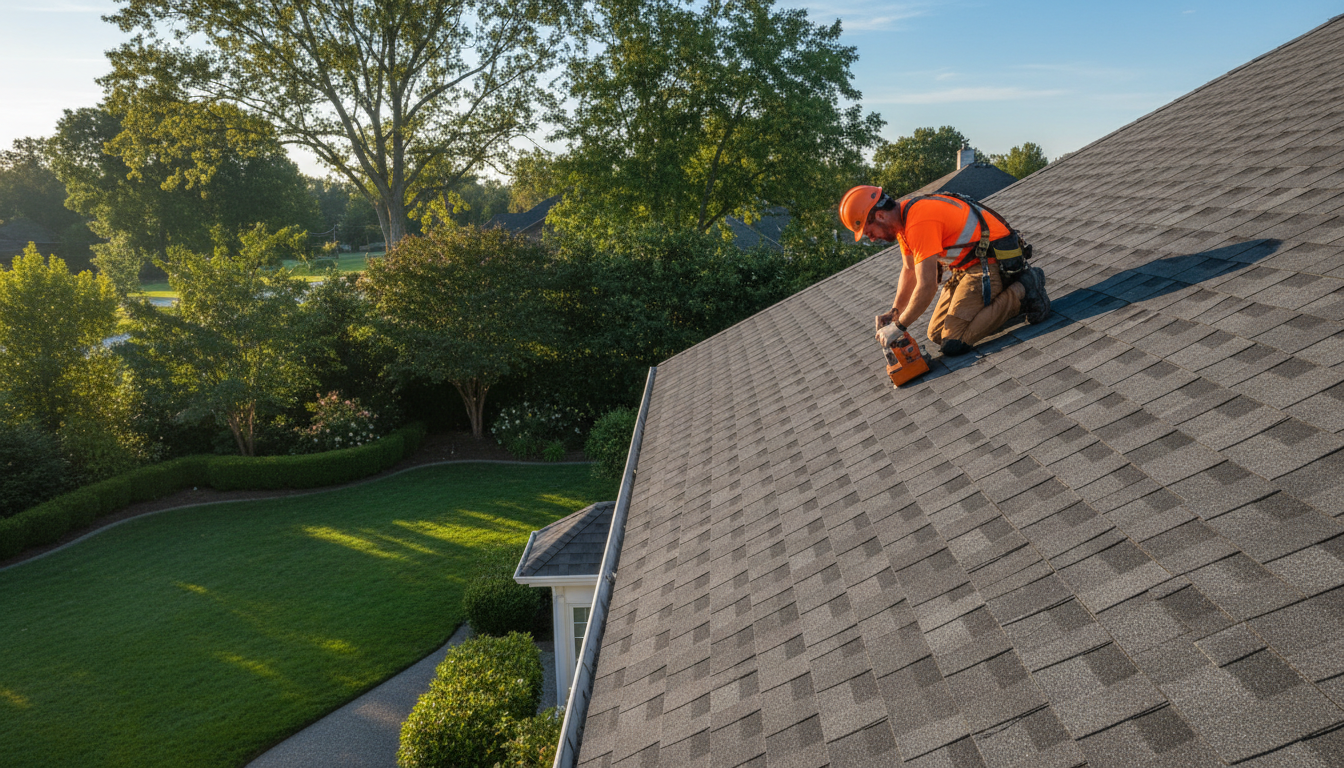
One notable residential project involved replacing an old shingle roof with a modern metal roof. This upgrade significantly improved the home's energy efficiency and weather resistance, providing peace of mind to the homeowners.
Commercial Projects
In the commercial sector, a historic building underwent a comprehensive waterproofing treatment. The use of EPDM rubber ensured that the structure remained dry and secure, preserving its historical integrity.
Conclusion
The roofing and waterproofing projects in Nova Scotia demonstrate the importance of quality workmanship and material selection. By addressing the unique challenges of the region, these projects set a standard for future endeavors and contribute to the sustainability and beauty of Nova Scotia's built environment.