A Comprehensive Guide to Built-Up Roofing Systems in Nova Scotia
Understanding Built-Up Roofing Systems
Built-up roofing (BUR) systems are a popular choice for many commercial buildings in Nova Scotia. Known for their durability and strength, BUR systems have been used for over a century. These systems are constructed using multiple layers of bitumen and reinforcing fabrics to create a finished membrane. This guide will explore the components, benefits, and considerations for using BUR systems in Nova Scotia.
Components of Built-Up Roofing Systems
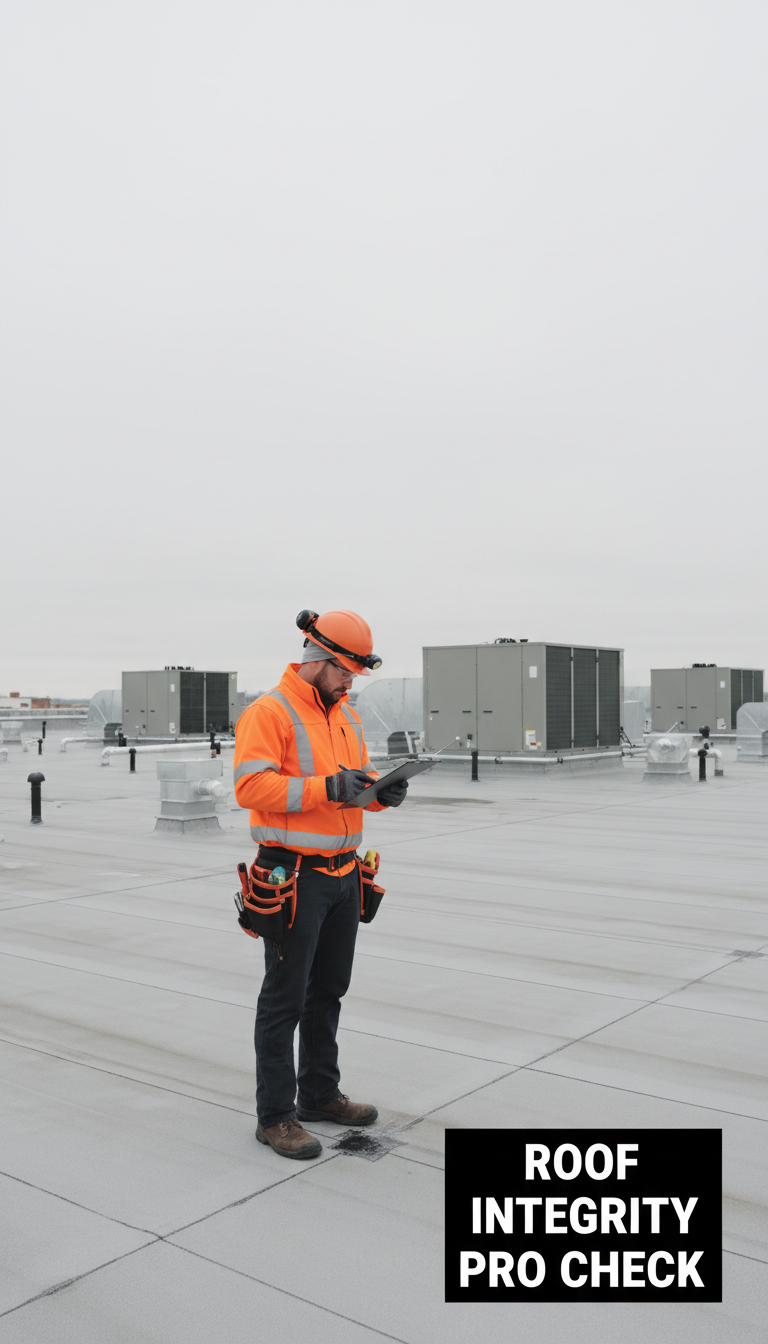
The primary components of a BUR system include bitumen, ply sheets, and surfacing. Bitumen can be either hot-applied or cold-applied, and it acts as the adhesive and waterproofing agent. Ply sheets, typically made from materials like fiberglass or organic felt, provide reinforcement. The surfacing, often gravel or a reflective coating, protects the underlying layers from UV rays and weather damage.
These components work together to create a robust and long-lasting roofing solution. In Nova Scotia, where the weather can be harsh, having a strong roofing system is essential for protecting buildings from the elements.
Advantages of Built-Up Roofing
One of the main advantages of BUR systems is their durability. The multiple layers provide excellent protection against physical damage and water infiltration. Additionally, BUR systems are known for their fire resistance and ability to withstand strong winds, making them ideal for Nova Scotia's diverse climate.
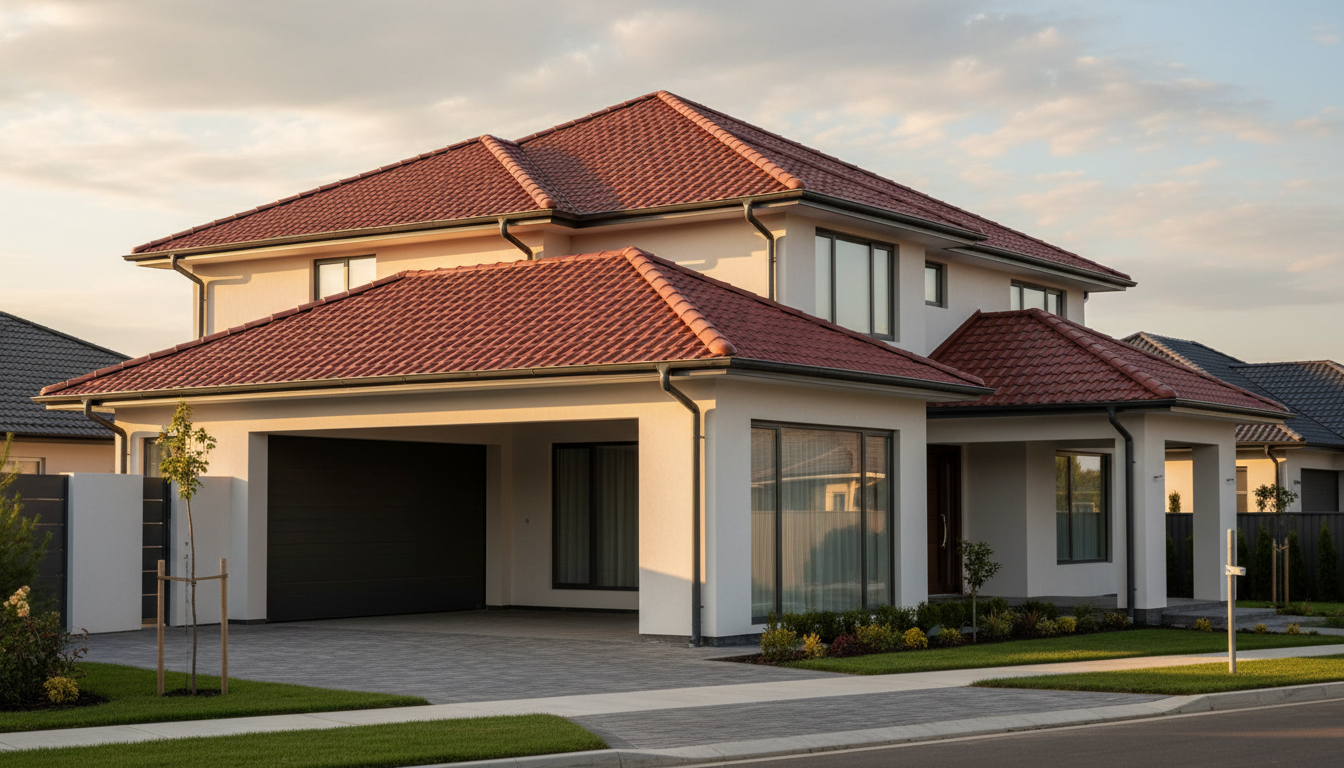
Another benefit is the low maintenance requirements. Once installed, BUR systems require minimal upkeep, reducing long-term costs. They also offer excellent thermal performance, which can contribute to energy savings by maintaining a stable indoor temperature.
Installation Process
Installing a BUR system requires skilled professionals to ensure proper application. The process typically involves:
- Preparing the roof deck by cleaning and priming.
- Applying the base layer of bitumen and laying the first ply sheet.
- Repeating the process with additional layers to achieve the desired thickness.
- Finishing with a surfacing material, such as gravel or a reflective coating.
The installation must be done carefully to prevent leaks and ensure longevity. Hiring experienced contractors is crucial to achieving a quality finish.
Considerations for Nova Scotia
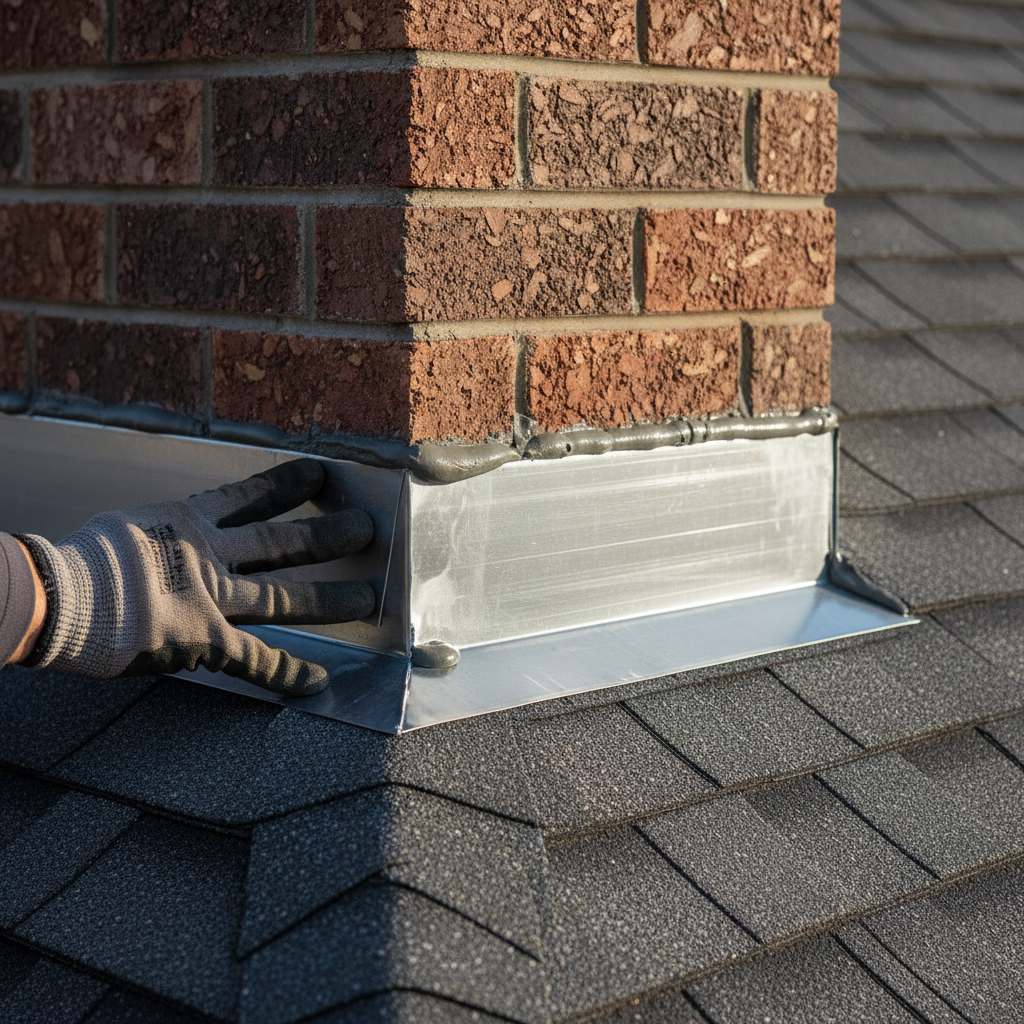
When choosing a BUR system in Nova Scotia, it's important to consider the local climate. The province experiences a mix of cold winters, humid summers, and frequent precipitation. Selecting materials that can handle these conditions is essential for maintaining the integrity of the roof.
Additionally, building codes and regulations must be followed. Consulting with local roofing experts can provide valuable insights into the best practices and materials suitable for the region.
Conclusion
Built-up roofing systems offer a reliable and efficient solution for commercial buildings in Nova Scotia. Their durability, low maintenance, and resistance to weather conditions make them an excellent choice for many property owners. By understanding the components, benefits, and installation process, you can make an informed decision about whether a BUR system is right for your building.
For those considering a new roofing system, consulting with experienced professionals will ensure that you select the best option tailored to your specific needs and the unique demands of Nova Scotia's climate.